
While hygiene is the foundation of blepharitis management, some supportive products may improve comfort while you address lid inflammation. The best choice depends on symptoms, drop frequency, sensitivities, and clinician advice. Using the wrong products can make inflammation worse.
Explore this topic: Visit the Blepharitis treatments (UK) hub for step-by-step options.
Eye drops for blepharitis
The best eye drops for blepharitis focus on comfort and surface protection. They do not cure the condition, but they reduce irritation while you treat the lid margin.
1. Artificial Tears / Lubricants
Blepharitis often coexists with tear-film instability, especially with meibomian gland dysfunction, but not everyone has the same pattern. Lubricating drops help stabilize the tears and soothe the ocular surface.
The Golden Rule: Always choose Preservative-Free (PF) drops if possible. Frequent exposure to some preservatives (including BAK) can irritate the ocular surface in some people; preservative-free options are often preferred for frequent use.
Many standard eye drops contain preservatives like Benzalkonium Chloride (BAK). While effective at keeping the bottle sterile, frequent exposure to some preservatives (including BAK) can irritate the ocular surface in some people.
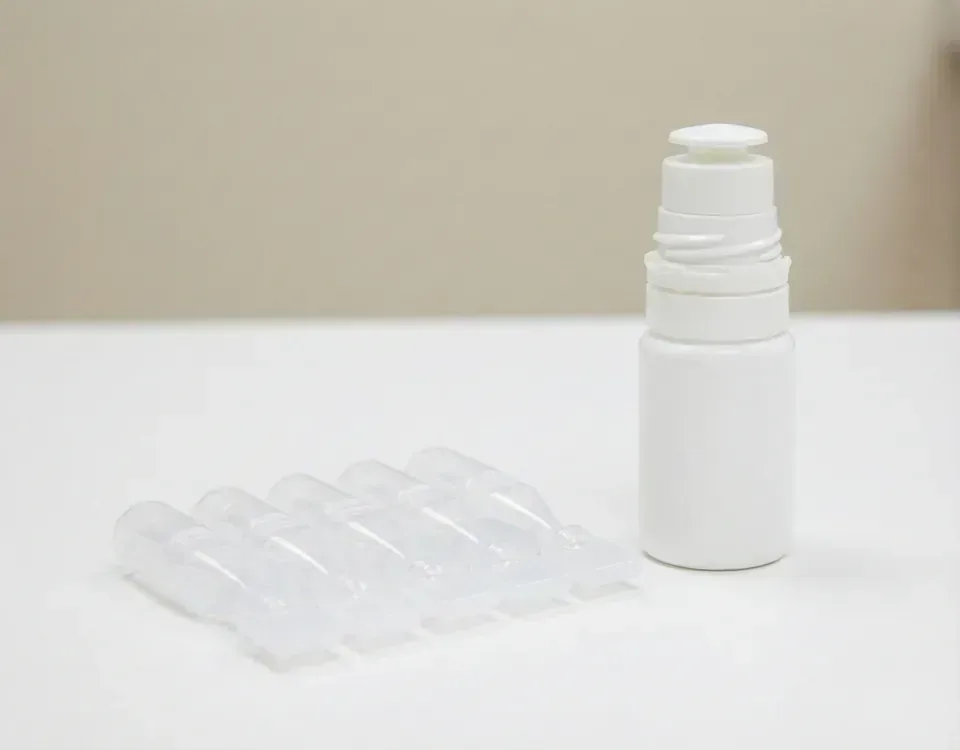
Side-by-side: Single-dose vials vs. multi-dose bottle with ABA filter.
- Look for: Single-dose vials or multi-dose bottles with special "ABA" or "COMOD" filters that prevent backflow bacteria.
- Ingredients: Hyaluronic Acid (Sodium Hyaluronate) is a gold-standard ingredient for its ability to retain water and may support surface health, but it is not a cure.
2. Ointments for Night Time
If you wake up with very dry, gritty eyes, a lubricating ointment or gel used just before bed can be a game-changer. These are thicker than drops and will blur your vision, so they are only for sleep. They provide a physical barrier preventing the eyes from drying out if your eyelids don't close fully (lagophthalmos).
3. Antiseptic Sprays (Hypochlorous Acid)
Hypochlorous acid (HOCl) is a naturally occurring molecule produced by our white blood cells to fight bacteria.
Hypochlorous-acid lid sprays may help reduce lid-margin microbial load and are often well tolerated, but evidence and individual benefit vary. Stop if stinging/irritation occurs and avoid getting spray directly into the eye.
4. Omega-3 Supplements
Diet plays a role in the quality of the oil your meibomian glands produce.
Omega-3 supplements may help some people with dry-eye symptoms, but results across studies are mixed. If you choose to try them, discuss dose and interactions (especially if you take anticoagulants) with your clinician, and consider food sources as an alternative.
- Source matters: Triglyceride-form fish oils are generally better absorbed than ethyl ester forms. Flaxseed oil is a plant alternative but may be less efficient at conversion in the body.
- Dosage: Dosing should be individualized; discuss dose and interactions with a clinician and consider dietary sources.
What to Avoid
Whitening Drops (Vasoconstrictors)
Decongestant "get-the-red-out" drops can worsen dryness/irritation in some people and do not treat blepharitis. Lubricants and lid-margin management are usually more appropriate.
Explore next
Related content
Continue with related guides that build on this topic and keep your care plan consistent.