
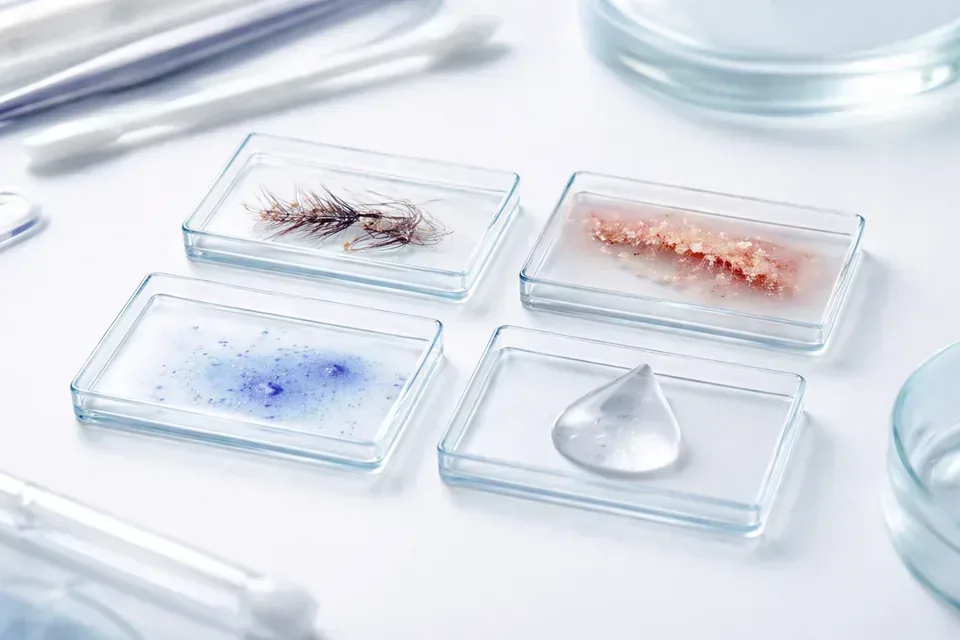
Doctors categorize blepharitis based on where it occurs (Anterior vs. Posterior) and what causes it. Identifying likely contributors (e.g., MGD, Demodex, seborrheic dermatitis, rosacea) helps clinicians choose targeted options; many people have more than one contributor. People often describe "MGD eyes" as dry, tired, and irritated, especially after screen use.
Explore the full overview: See the Blepharitis symptoms and diagnosis hub for related guides.
1. Staphylococcal Blepharitis
This is an Anterior form, meaning it affects the outer eyelid where the lashes attach. It often involves inflammation associated with staphylococcal bacteria on the lid margin; the exact balance of colonisation vs immune response varies.
- Key Signs: Hard, brittle crusts (fibrinous scales) around the base of the lashes. When removed, they may leave a small ulcer that bleeds.
- Symptoms: Intense itching, lash loss (madarosis), and trichiasis (lashes turning inward).
- Treatment Focus: Antibiotic ointments and rigorous lid hygiene to lower bacterial load.
2. Seborrheic Blepharitis
Also an Anterior form, this is associated with seborrheic dermatitis.
- Key Signs: Soft, greasy scales that do not stick tightly to the lash base. The lid margins look oily and shiny.
- Symptoms: Burning and stinging, often less severe than the Staphylococcal type.
- Treatment Focus: Managing the underlying dermatitis (e.g., anti-dandruff shampoos for scalp) and gentle lid cleaning.
3. Meibomian Gland Dysfunction (MGD)
This is the primary form of Posterior blepharitis and a common cause of evaporative dry eye; prevalence varies by study and population.
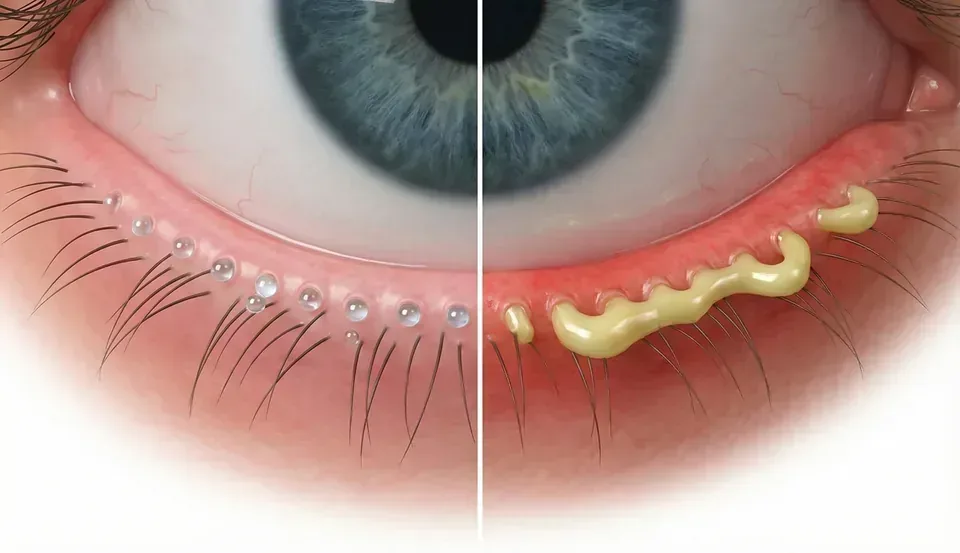
Comparison of clear oil (healthy) vs. toothpaste-like oil (MGD).
The meibomian glands line the inner eyelid. In MGD, the oil they produce thickens (like toothpaste), clogging the gland openings.
- Key Signs: Capped or plugged oil glands along the waterline. Gland expression may yield cloudy or thickened oil rather than clear oil; appearance varies and should be assessed by a clinician.
- Symptoms: Tears evaporate quickly, causing burning and "tired eyes," especially when using computers.
- Treatment Focus: Warm compresses and massage are essential to melt and express the oil.
4. Demodex Blepharitis
Demodex blepharitis is associated with higher mite load and inflammation; mites are common and clinical relevance depends on findings.
- Key Signs: Cylindrical dandruff (collarettes)-a tube of clear waxy debris extending from the skin up the eyelash shaft.
- Symptoms: Itching is the hallmark symptom, often worse in the morning.
- Treatment Focus: Use eyelid-safe products formulated for ocular use; avoid undiluted or high-percentage tea tree oil near the eyes and follow clinician guidance.
Explore next
Related content
Continue with related guides that build on this topic and keep your care plan consistent.