
December 25, 20257 min ReadLast reviewed December 31, 2025

Blepharitis Treatments (UK): Options, NHS Pathway, and Next Steps

An overview of UK blepharitis treatment options, from daily care to prescriptions and specialist procedures.

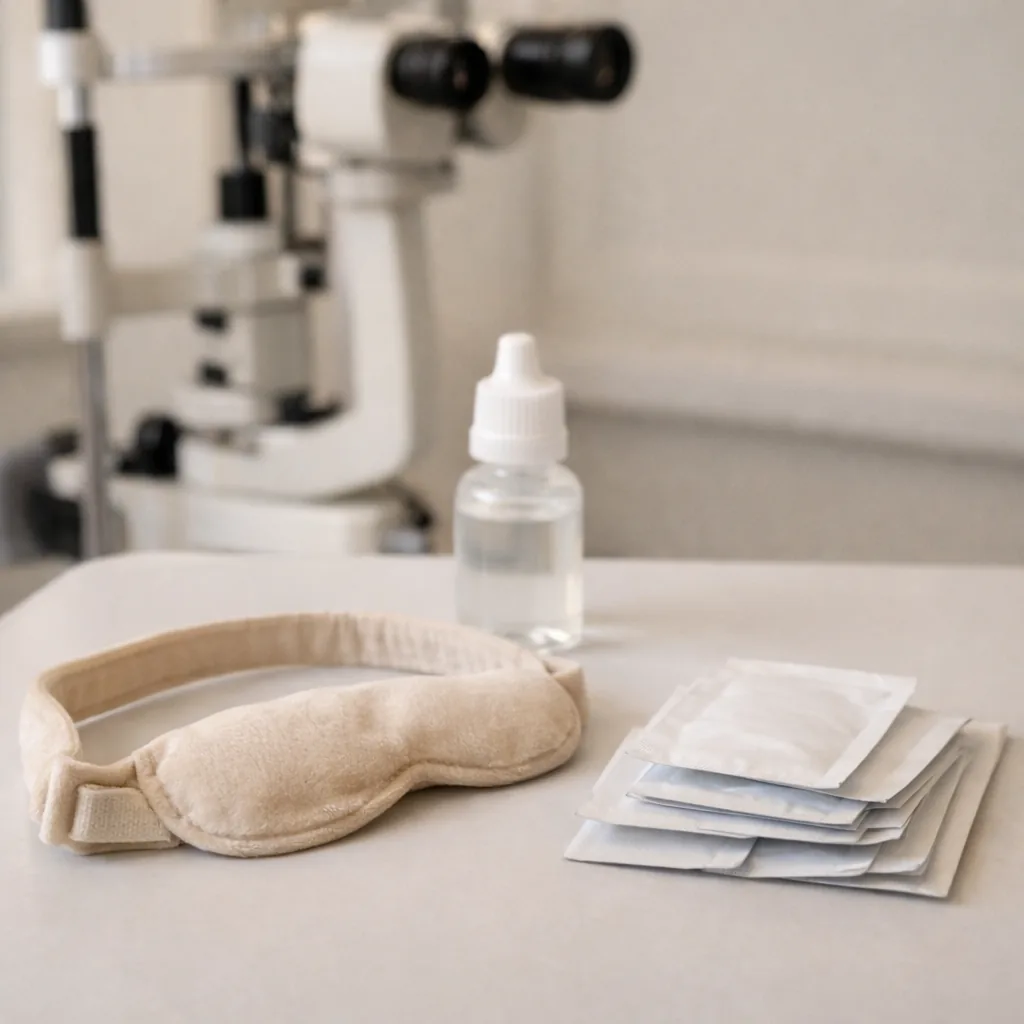
Warm compress and eye drops with clinic device softly blurred in the background.
D
Dr Awais Rauf
Ophthalmologist, CCT (Ophth) UK; Oculoplastic Specialist
Reviewed by Dr Awais Rauf
Medically Reviewed

Blepharitis treatment in the UK is usually stepwise: daily care first, then targeted prescriptions, and specialist procedures if symptoms persist. This hub brings those steps together and links to the detailed guides.

Step 1: Daily care foundation

Most NHS pathways start with consistent lid hygiene and lubricant drops. If you’re new to the routine, start here:

Step 2: NHS and GP pathway

If symptoms persist, your optometrist or GP may recommend prescriptions or referral. The full pathway is covered here:

Step 3: Specialist procedures

When home care isn’t enough, clinicians may discuss in-office options. These are often private and availability varies by region.

Condition-specific pathways

Some people need more targeted approaches based on the main driver:

Next steps

If your main concern is symptoms or diagnosis, start with the symptom hub:

Quick answers

FAQs

Short, practical answers to common questions patients ask.

Evidence-led guidance, written for patients.
Expand any question to see the full answer.
How can I treat blepharitis?
Start with daily lid hygiene and lubricating drops. If symptoms persist, an optometrist or GP can advise on prescription options or referral for specialist treatments.

Scientific References

  1. NHS. Blepharitis - symptoms and treatment.[Source]
  2. NICE Clinical Knowledge Summaries. Blepharitis management overview.[Source]
  3. College of Optometrists Clinical Management Guidelines. Blepharitis.[Source]