
December 25, 20256 min ReadLast reviewed December 31, 2025

Blepharitis Symptoms & Diagnosis (UK): Where to Start

A clear overview of blepharitis symptoms, common patterns, and how to distinguish it from dry eye or conjunctivitis.

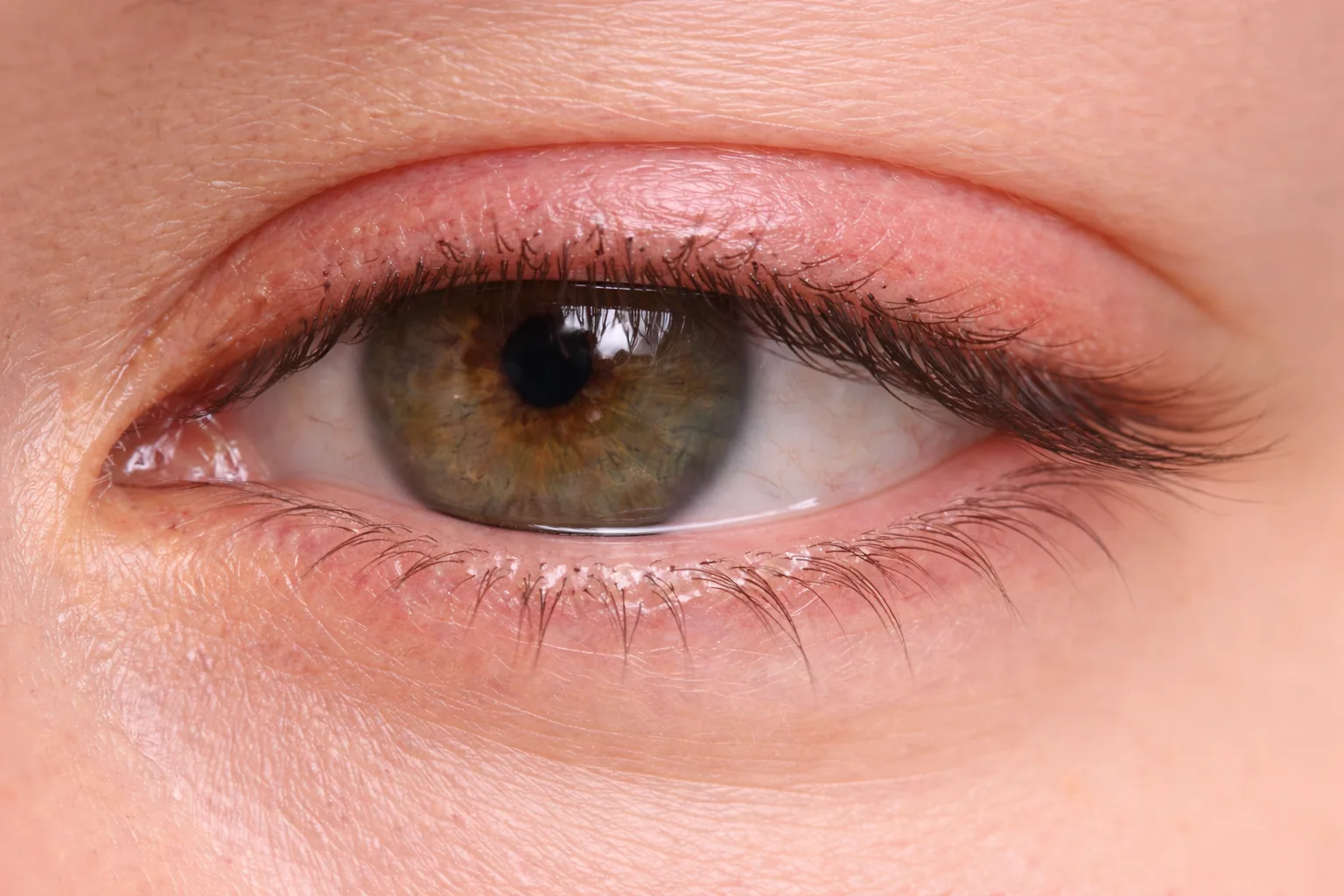
Mildly irritated eye with subtle lid margin redness and watery tear meniscus.
D
Dr Awais Rauf
Ophthalmologist, CCT (Ophth) UK; Oculoplastic Specialist
Reviewed by Dr Awais Rauf
Medically Reviewed

If you are not sure whether your symptoms fit blepharitis, start here. This hub pulls together the most useful symptom and diagnosis guides so you can compare patterns and decide what to read next.

Common blepharitis symptoms

  • Gritty, burning, or tired eyes.
  • Crusting or flakes at the lash base on waking.
  • Red or thickened lid margins.
  • Symptoms that fluctuate with screen use or wind.

Patterns that point to blepharitis

Blepharitis often starts at the lid margin, where the lashes grow. Many people notice morning crusting, irritation that improves after cleaning, and recurrent styes or chalazia.

When it might be something else

Start with these guides

When to seek urgent care

Seek urgent assessment if you have severe pain, sudden vision changes, significant light sensitivity, or recent eye trauma.

Next steps

Once you recognise the pattern, move to daily management and treatment options:

Quick answers

FAQs

Short, practical answers to common questions patients ask.

Evidence-led guidance, written for patients.
Expand any question to see the full answer.
What can be mistaken for blepharitis?
Dry eye, allergic or infective conjunctivitis, styes/chalazia, contact dermatitis or eczema, ocular rosacea, and keratitis can look similar. A clinician can check your lid margins and tear film to confirm.
Why do I only have blepharitis in one eye?
Blepharitis usually affects both eyes, but one side can feel worse. Persistent one-sided symptoms should be checked to rule out other causes.
What type of doctor should I see for blepharitis?
In the UK, start with a pharmacist or optometrist for advice on hygiene and products. See a GP if symptoms persist or you need prescriptions, and an ophthalmologist if referral is needed.
Can an optometrist see blepharitis?
Yes. Optometrists routinely assess lid margins and tear film and can advise on care or referral.
When should I seek urgent help?
Seek same-day advice if you have severe eye pain, sudden vision changes, marked light sensitivity, significant swelling, or recent eye injury.

Scientific References

  1. NHS. Blepharitis - symptoms and treatment.[Source]
  2. NHS. Dry eye syndrome - overview and management.[Source]
  3. TFOS DEWS II Definition and Classification Report. Ocul Surf. 2017.[Source]
  4. NICE Clinical Knowledge Summaries. Blepharitis - diagnosis and differential.[Source]
  5. College of Optometrists. Blepharitis (lid margin disease) clinical management guideline.[Source]